
“`html
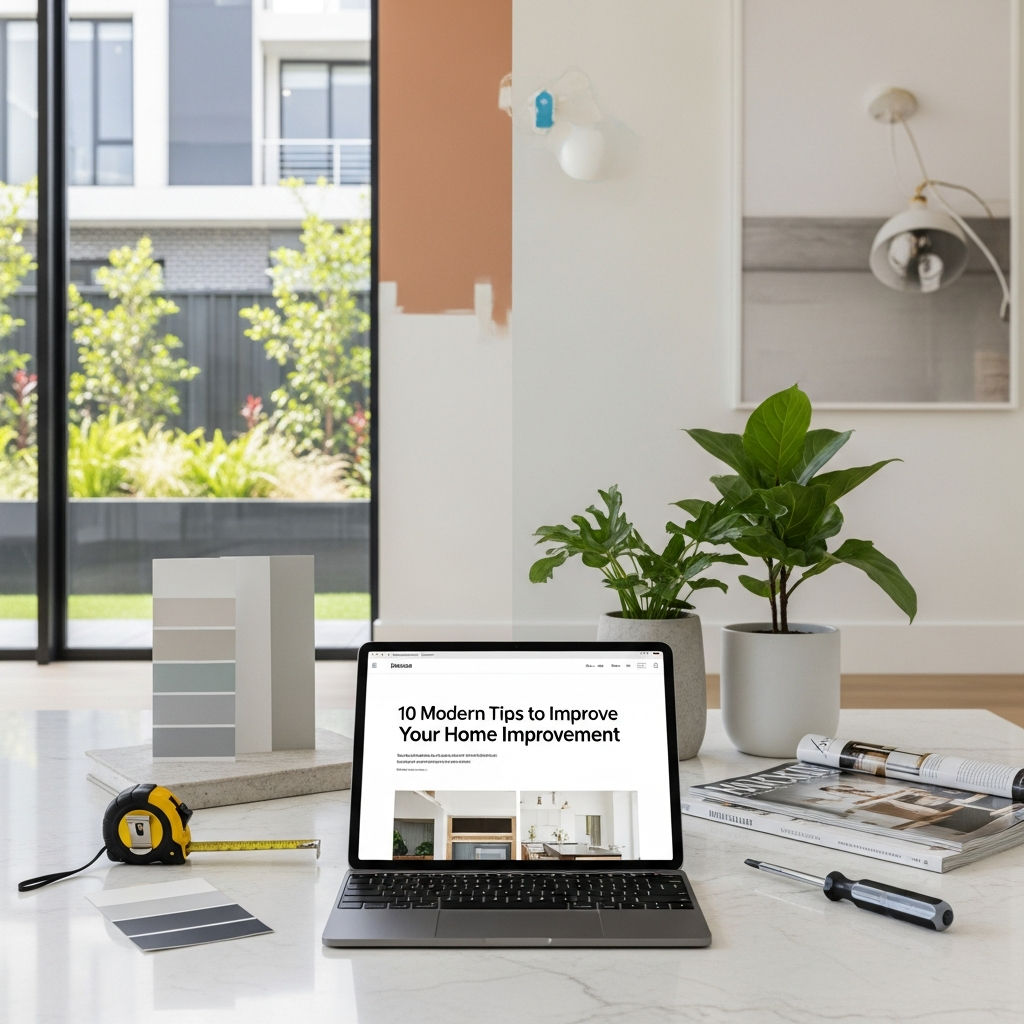
10 Modern Tips to Improve Your Home Improvement
In the modern era, home improvement has evolved far beyond simple aesthetic upgrades or fixing a leaky faucet. Today, enhancing your living space is about blending functionality, sustainability, and cutting-edge technology to create a sanctuary that reflects your lifestyle. Whether you are planning a full-scale renovation or looking for small projects to increase your property value, staying ahead of the curve is essential.
Modern home improvement is no longer just about what looks good in a magazine; it is about how a home works for its inhabitants. With the rise of remote work, environmental consciousness, and smart integration, the way we approach remodeling has shifted. In this guide, we explore ten modern tips to help you navigate your next home improvement project with confidence and style.
1. Integrate Smart Home Technology
One of the most significant shifts in modern home improvement is the integration of smart technology. A “smart” home isn’t just a futuristic concept anymore; it’s a standard expectation for modern buyers. Integrating technology into your infrastructure can significantly boost your home’s efficiency and security.
- Smart Thermostats: Devices like Nest or Ecobee learn your habits and optimize heating and cooling to save on energy bills.
- Automated Lighting: Install smart switches or bulbs that can be controlled via smartphone or voice commands.
- Security Systems: Modern video doorbells and smart locks offer peace of mind and are relatively easy DIY installations.
2. Focus on Energy Efficiency and Sustainability
Sustainability is more than just a buzzword; it is a core pillar of modern home improvement. Reducing your carbon footprint often goes hand-in-hand with reducing your utility costs. When upgrading your home, look for “Energy Star” rated appliances and materials that offer long-term savings.
Consider upgrading your insulation, replacing old windows with double or triple-pane glass, and installing low-flow plumbing fixtures. Not only do these changes make your home more eco-friendly, but they also serve as a major selling point should you decide to put your house on the market.
3. Embrace “Biophilic” Design
Biophilic design is the practice of connecting a building’s occupants more closely to nature. Modern home improvement projects are increasingly incorporating natural light, vegetation, and organic materials to improve mental well-being and air quality.
- Living Walls: Install a vertical garden in your kitchen or living room.
- Natural Materials: Use wood, stone, and bamboo to bring earthy textures indoors.
- Maximized Light: Swap heavy drapes for sheer fabrics and consider adding skylights or larger windows to flood your home with Vitamin D.
4. The Rise of the “Broken-Plan” Living
For years, the “open-concept” floor plan reigned supreme. However, the modern trend is shifting toward “broken-plan” living. This approach retains the spacious feel of an open floor plan but uses structural elements to create distinct zones for different activities.
You can achieve this by using internal glass partitions, open shelving units, or even varying floor levels. This provides the privacy needed for home offices or quiet reading nooks without sacrificing the social flow of the home.
5. Upgrade to Low-Maintenance Materials
Modern homeowners value their time. Consequently, home improvement projects are moving toward materials that require minimal upkeep. When renovating, choose surfaces that are durable and easy to clean.
For example, quartz countertops are overtaking marble and granite because they are non-porous and do not require regular sealing. Luxury Vinyl Plank (LVP) flooring is another popular choice, offering the look of hardwood with superior water resistance and durability against pets and children.
6. Create Multi-Functional Spaces
The boundary between work, exercise, and relaxation has blurred. A modern home improvement strategy must account for versatility. A guest bedroom that doubles as a high-end home office or a basement that serves as both a gym and a media room adds immense value.

Think about “transformative” furniture, such as Murphy beds or foldable desks, which allow a room to change its purpose within minutes. Designing for flexibility ensures your home can adapt to your changing needs over time.
7. Prioritize the Kitchen as a Social Hub
The kitchen remains the heart of the home, but its role has expanded. Modern kitchen improvements focus on making the space a social hub. Large kitchen islands with seating, integrated wine fridges, and “hidden” appliances (where dishwashers and refrigerators are covered by cabinetry) are top trends.
Investing in high-quality cabinetry and modern hardware can instantly refresh a kitchen without the need for a total teardown. Focus on a “clean” look with hidden storage to minimize clutter on the countertops.
8. Revitalize Your Outdoor Living Area
In the modern era, the backyard is treated as an extension of the indoor living space. Improving your outdoor area is one of the best ways to increase your home’s footprint without adding a new room. Creating a seamless transition from indoors to outdoors is key.
- Outdoor Kitchens: Built-in grills and prep stations are highly desirable.
- Fire Features: Gas fire pits create a cozy atmosphere for year-round use.
- Decking and Patios: Use composite decking (like Trex) for a long-lasting, rot-resistant outdoor floor.
9. Invest in Layered Lighting
Lighting is often an afterthought in home improvement, but it is one of the most impactful elements of interior design. Modern homes move away from a single overhead “boob light” in favor of layered lighting. This involves three types of light: ambient, task, and accent.
Ambient lighting provides general illumination, task lighting helps with specific activities (like under-cabinet lights in the kitchen), and accent lighting highlights architectural features or artwork. Using dimmers and various light temperatures can completely change the mood of a room instantly.
10. Focus on Curb Appeal
First impressions matter. Modern curb appeal goes beyond a well-manicured lawn. It involves bold colors, clean lines, and updated fixtures. Improving your home’s exterior is often the project with the highest Return on Investment (ROI).
Consider painting your front door a bold, contemporary color like navy or charcoal. Replace outdated house numbers with modern, sans-serif fonts, and swap out old carriage lights for sleek, minimalist fixtures. These small changes can make an older home look decades younger.
Conclusion: The Future of Your Home
Home improvement is an ongoing journey. By focusing on these modern tips—from smart technology to biophilic design—you aren’t just “fixing up” your house; you are investing in a lifestyle. The most successful renovations are those that balance current trends with timeless functionality.
Remember that the best home improvement projects are planned with both the present and the future in mind. Whether you are DIY-ing a weekend project or hiring a contractor for a major overhaul, prioritizing quality, efficiency, and comfort will ensure your home remains a modern sanctuary for years to come.
“`

