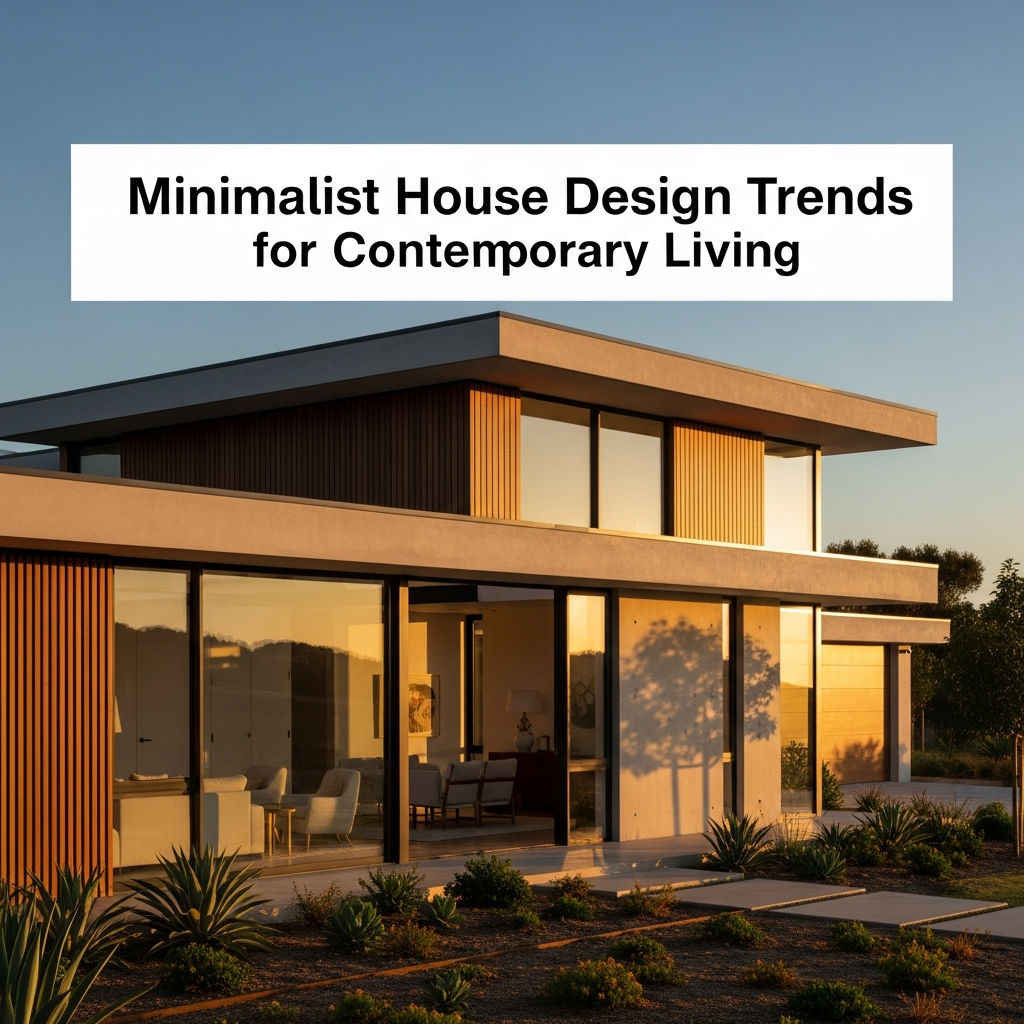
Minimalist House Design Trends for Contemporary Living: Embracing Simplicity and Function
In an increasingly complex world, the architectural trend toward minimalism offers a refreshing antidote. Minimalist house design is more than just an aesthetic choice; it’s a philosophical approach to contemporary living that prioritizes function, quality, and tranquility over excessive ornamentation. As homeowners seek sanctuary from digital clutter and urban noise, the principles of ‘less is more’ are shaping modern residential architecture globally. This deep dive explores the top trends defining minimalist homes today, focusing on integrated technology, sustainable practices, and the psychological benefits of curated simplicity.
The Enduring Philosophy of Minimalism in Architecture
Minimalism, rooted in mid-20th-century movements, emphasizes essential elements, unadorned surfaces, and neutral palettes. In 2024, this philosophy has evolved, moving beyond stark austerity to incorporate warmth, texture, and smart functionality. Contemporary minimalist homes are characterized by their thoughtful use of space and their seamless integration with the surrounding environment.
Trend 1: Hyper-Functional and Flexible Floor Plans
Modern minimalist design dictates that every square foot must serve a purpose. This has led to a major shift away from segmented, compartmentalized rooms toward dynamic, flexible spaces that adapt to the inhabitants’ needs throughout the day.
Open-Plan Living Redefined
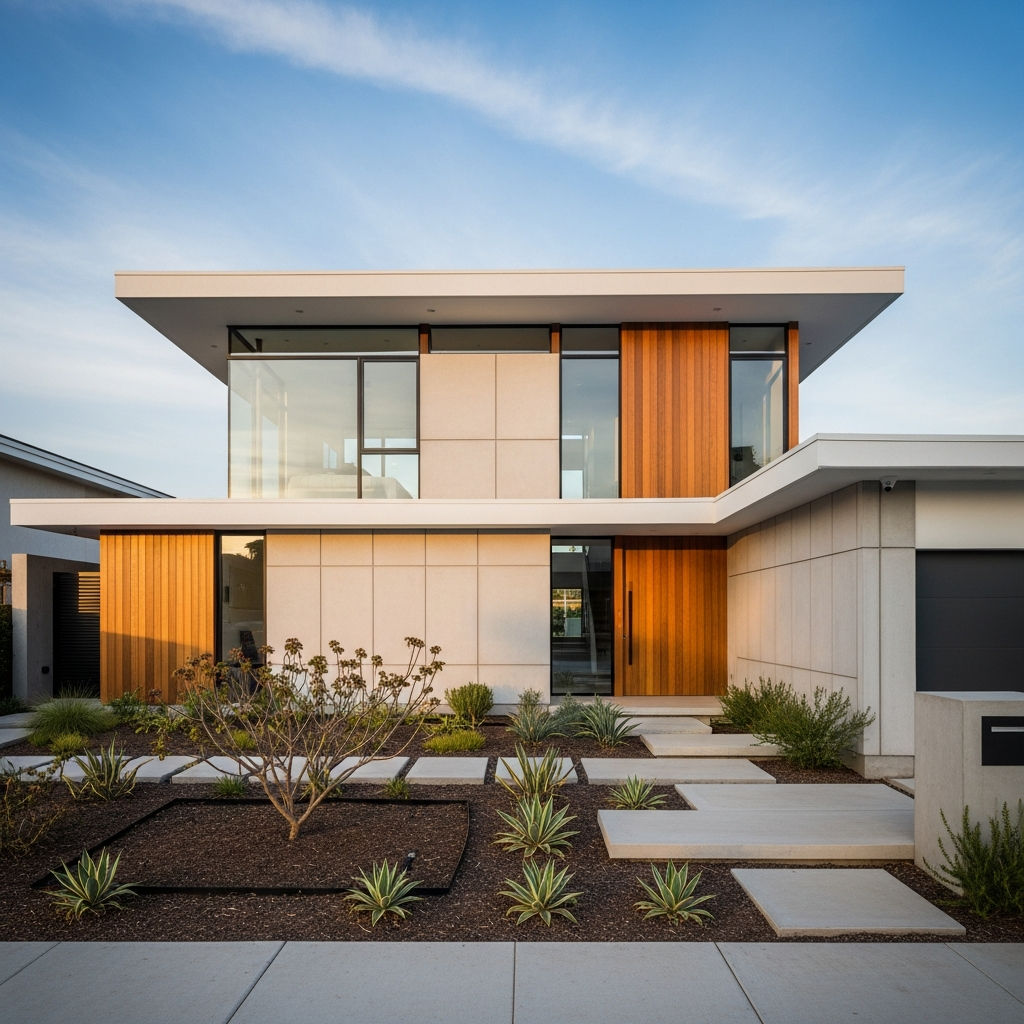
While open-plan living is not new, its minimalist iteration focuses on eliminating visual barriers while maintaining distinct zones. Large, unbroken sightlines enhance the feeling of spaciousness, often extending to exterior views through expansive glazing. Furniture is strategically placed to define areas—such as a living space or dining nook—without relying on permanent walls.
The Rise of Transformable Furniture
For smaller urban dwellings, transformable or multi-functional furniture is essential. Think integrated wall beds, sliding partitions that disappear into walls, and modular shelving units. This ensures the space remains uncluttered when not in use, adhering strictly to the principle of visual simplicity.
Trend 2: A Palette of Natural Materials and Textures
The severity often associated with early minimalism (white walls, concrete floors) is being softened by the introduction of rich textures and organic materials. This shift adds warmth and personality, making the spaces feel more inviting and human-centered.
Wood as the Dominant Element
Light-colored woods, such as ash, birch, and white oak, are prominent features, used for flooring, cabinetry, and structural elements. Wood introduces natural grain and warmth, contrasting beautifully with smooth, cool surfaces like steel or glass.
Integrated Stone and Concrete Finishes
Exposed concrete and natural stone (like limestone or slate) are used not merely as structural components but as primary design elements. These materials are often left in their raw state to celebrate their inherent texture, contributing to a sense of honesty and permanence in the structure.
The Tactile Importance of Textiles
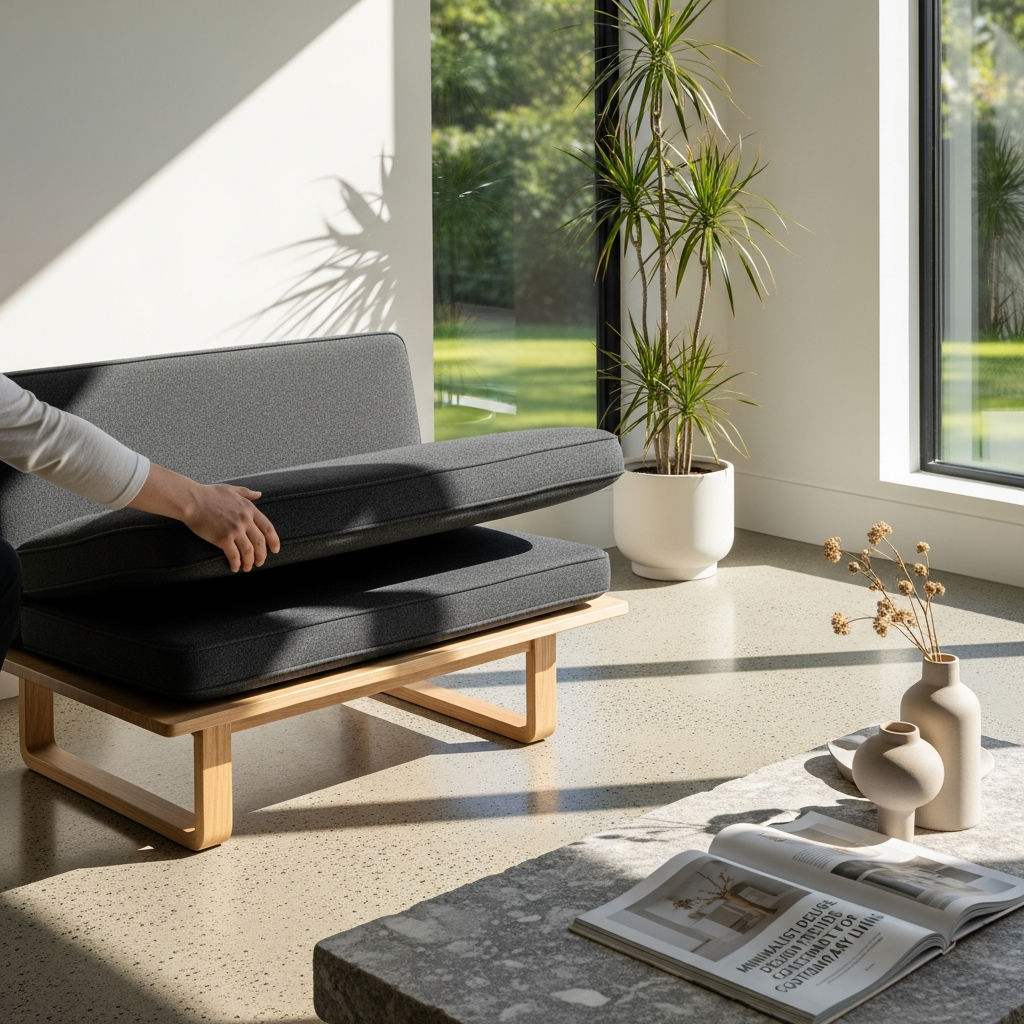
Minimalist interiors rely heavily on textiles (linen, wool, boucle) for tactile variety. A monochromatic or neutral scheme is elevated by layering these rich textures, ensuring comfort is not sacrificed for simplicity.
Trend 3: Seamless Integration of Smart Technology (Invisible Tech)
Contemporary living requires advanced technology, but minimalist design demands that this technology be unseen. The goal is to maximize convenience while maintaining pristine visual purity.
Hidden Automation Systems
Smart home features are deeply embedded: recessed lighting that tracks the time of day, automated blinds that disappear into the ceiling, and sophisticated HVAC systems hidden behind integrated vents. Control panels are minimized, often consolidated into voice-activated systems or mobile devices.
Kitchen and Storage Solutions
Kitchens, the heart of the home, are primary beneficiaries of invisible tech. Appliances are paneled and fully integrated to look like standard cabinetry. Induction cooktops blend into countertops, and ventilation systems retract when not in use, preserving the kitchen’s smooth, monolithic look.
Trend 4: Biophilic Design and Natural Light Maximization
The connection between built environment and nature is fundamental to modern minimalist architecture. Maximizing natural light and incorporating natural elements improves mood and enhances the perceived size of the space.
Expansive, Frameless Glazing
The strategic use of large windows, sliding glass doors, and clerestory windows is crucial. Minimalist homes often feature frameless or ultra-slim profile windows to minimize the visual barrier between the interior and exterior, turning the surrounding landscape into living artwork.
Courtyards and Atriums
To ensure privacy in dense areas while maintaining light flow, many designs incorporate small interior courtyards, light wells, or double-height atriums. These features funnel light deep into the core of the house and provide sheltered pockets for incorporating biophilic elements like indoor gardens or water features.
Trend 5: Sustainable and Durable Construction
Minimalism inherently aligns with sustainability. Building less, but building better, results in durable homes that require less maintenance and consume fewer resources over their lifespan.
Focus on Energy Efficiency
High-performance insulation, passive heating/cooling strategies, and airtight construction are standard. Minimalist forms often lend themselves well to efficient building envelopes, maximizing solar orientation and minimizing thermal bridging.
Longevity Through Quality
The core principle of minimalism is choosing quality over quantity. This translates architecturally into specifying durable, high-quality materials that are meant to last decades. Investing in timeless designs and robust construction reduces the need for frequent renovations, minimizing waste and resource consumption.
Trend 6: The Art of Intentional Emptiness
Perhaps the most challenging aspect of truly minimalist living is the deliberate absence of clutter and unnecessary décor. This intentional emptiness is a feature, not a void.
Curated Art and Objects
In a minimalist space, any item on display must be highly intentional. Instead of a gallery wall, one powerful piece of art or sculpture might command attention. These curated objects gain significance and impact due to the surrounding visual calm.
Integrated Storage Solutions
Successful minimalist homes depend entirely on ingenious storage. Everything—from books to cleaning supplies—must be hidden behind flush, handleless cabinetry. Storage is treated as an architectural feature, often forming entire walls or integrated seamlessly beneath staircases, ensuring daily clutter never compromises the visual integrity of the space.